
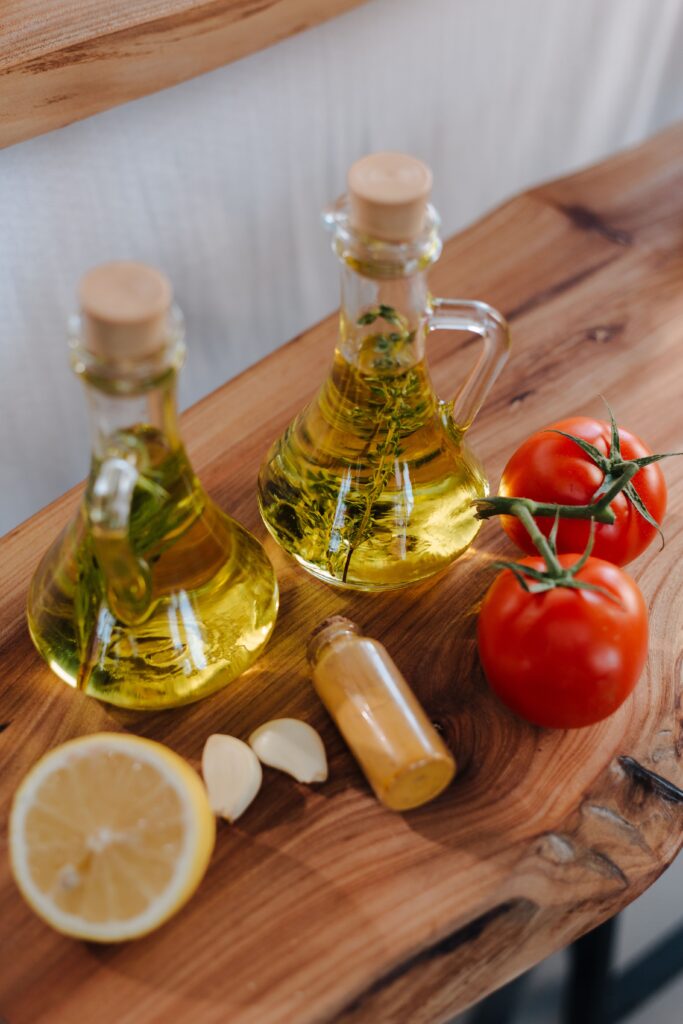
Cold-Pressed Oils: Traditional Extraction, Natural Goodness and Modern Marketing
Cold-pressed oils are becoming increasingly popular among people who prefer traditionally extracted and minimally processed cooking oils. These oils are produced from carefully selected seeds, nuts and other oil-bearing raw materials using mechanical pressing methods.
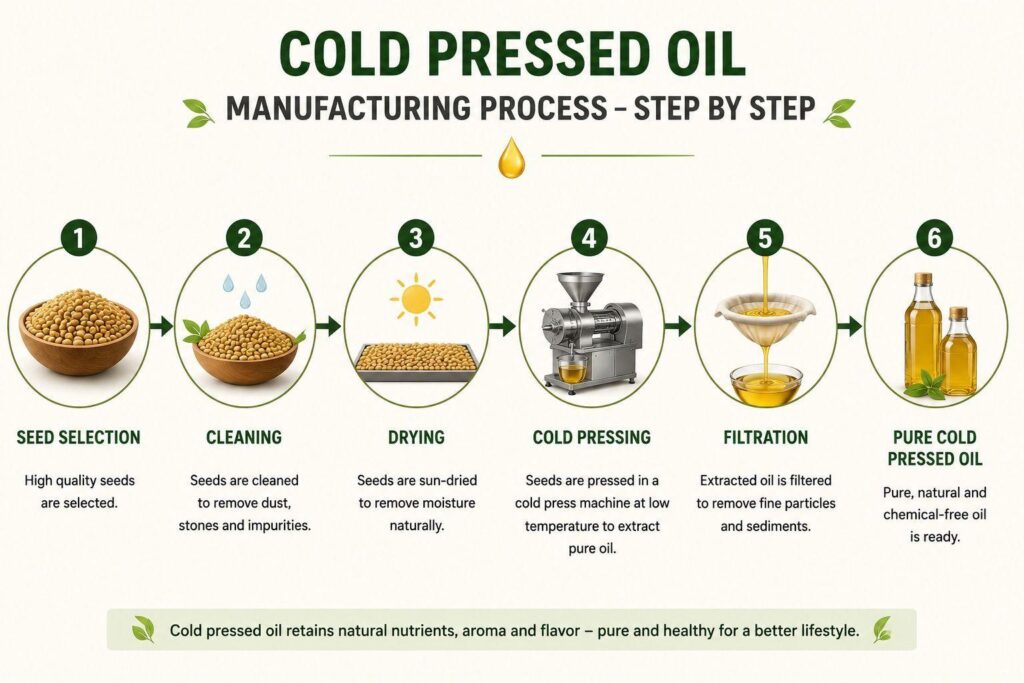
From selecting quality raw materials to cleaning, drying, cold pressing, filtration, quality testing and attractive packaging, every stage plays an important role in producing quality cold-pressed oils.
What Are Cold-Pressed Oils?
Cold-pressed oils are primarily obtained from oil-rich seeds or nuts through mechanical pressing. The prepared raw material is placed into an oil press, where controlled mechanical pressure is used to extract the oil.
Common examples include groundnut oil, coconut oil, sesame oil, sunflower oil, mustard oil, flaxseed oil and almond oil.
The quality of the finished oil depends on factors such as raw material quality, moisture, processing conditions, filtration, storage and packaging.
How Are Cold-Pressed Oils Prepared?
The cold-pressed oil preparation process involves several important stages, from selecting the raw materials to packaging the finished product.
Selection of Quality Raw Materials
The first step is selecting fresh, clean and suitable seeds or nuts. Common raw materials include groundnuts, sesame seeds, sunflower seeds, mustard seeds, flaxseeds, almonds and coconut.
Good-quality raw materials are important for achieving consistent flavour, aroma, appearance and product quality.
Cleaning and Sorting
The selected raw materials are carefully cleaned to remove dust, stones, soil, leaves, stalks and other unwanted particles.
Damaged or unsuitable seeds are separated during sorting. Proper cleaning supports hygienic production and helps protect the oil extraction equipment.
Drying and Preparation
Depending on the type of seed or nut, suitable drying or conditioning may be required before pressing.
Proper moisture management can support efficient oil extraction and product stability. Processing conditions should be selected according to the specific raw material and equipment.
Cold-Press Extraction
The prepared seeds or nuts are placed into a mechanical oil press. Controlled pressure is applied to extract the oil while separating the remaining solid material, known as press cake.
Raw material quality, moisture level, feed rate, equipment condition and processing temperature can influence the final oil.
Settling
Freshly extracted oil may contain tiny natural particles. The oil can be allowed to settle under suitable hygienic conditions so that heavier particles gradually separate.
Filtration
After settling, the oil can be passed through a suitable filtration system. Filtration helps remove remaining suspended particles and can improve the clarity and appearance of the finished oil.
Quality Testing
Quality testing is an important part of responsible oil production. Depending on the product and applicable regulations, relevant parameters may include moisture, free fatty acids, peroxide value, purity and other quality characteristics.
Regular quality testing helps maintain consistency and supports applicable food-safety requirements.
Attractive and Hygienic Packaging
After quality checks, the oil is filled into suitable food-grade containers.
Professional packaging should be clean, secure and suitable for storage and transportation. Labels should include the required product information, such as the brand name, product name, quantity, batch details, dates, storage instructions and applicable regulatory information.
Examples of Cold-Pressed Oils
Cold-pressed oils are available from a variety of seeds and nuts. Each oil has its own flavour, aroma and culinary applications.
Cold-Pressed Groundnut Oil
Groundnut oil has a characteristic nutty flavour and is widely used for everyday cooking and traditional Indian cuisine.
Cold-Pressed Coconut Oil
Coconut oil is produced from suitable coconut raw material and is commonly used in culinary and traditional applications.
Cold-Pressed Sesame Oil
Sesame oil has a distinctive aroma and flavour and is widely used in traditional Indian cooking.
Cold-Pressed Sunflower Oil
Sunflower seeds can be mechanically pressed to produce sunflower oil for various cooking applications.
Cold-Pressed Mustard Oil
Mustard oil has a strong and distinctive flavour and is traditionally used in several regional cuisines.
Cold-Pressed Flaxseed Oil
Flaxseed oil is obtained from flaxseeds. Appropriate packaging and storage are particularly important because of its sensitivity to oxidation.
Cold-Pressed Almond Oil
Almond oil is produced from suitable almonds and can be used for culinary or other applications depending on the intended product.
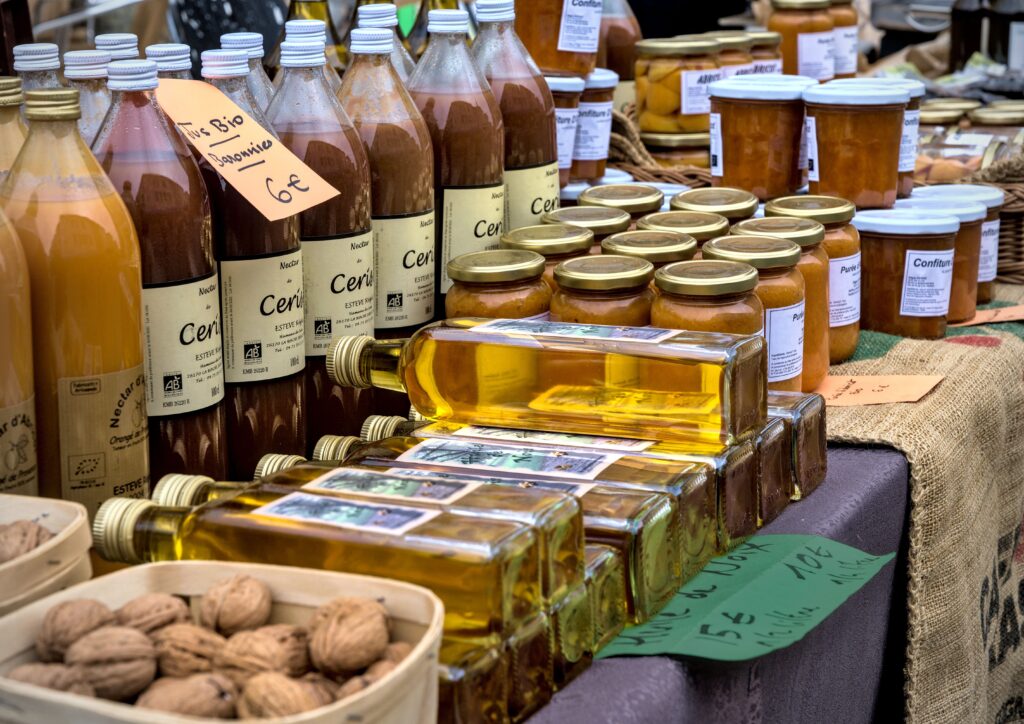
Cold-Pressed Oil Production Flow Chart
Raw Material Purchase
↓
Cleaning & Sorting
↓
Drying / Preparation
↓
Cold-Press Extraction
↓
Oil Collection
↓
Settling
↓
Filtration
↓
Quality Testing
↓
Bottling
↓
Labelling & Attractive Packaging
↓
Storage & Distribution
↓
Customer
Why Attractive Packaging Matters
Packaging is an important part of both product protection and brand identity.
Good packaging should protect the oil during storage and transportation while providing customers with clear product information.
A professional package can include a memorable logo, attractive label, consistent typography, suitable food-grade bottles and clear product information.
Consistent packaging helps customers recognize your brand and differentiate it from competing products.
Building a Strong Cold-Pressed Oil Brand
Producing quality oil is only one part of building a successful business. Customers also need to recognize the brand, understand the product and trust the company behind it.
Brand Identity
A strong brand identity can include:
- A memorable brand name
- A simple and professional logo
- Attractive packaging
- Consistent typography
- Professional product photography
- A clear brand message
- Consistent social media design
The brand should communicate quality, transparency and traditional craftsmanship without making unsupported health claims.
Digital Marketing Strategy for Cold-Pressed Oils
Digital marketing can help a cold-pressed oil business reach customers beyond its local market.
Professional Website
A professional website can include:
- Home
- About Us
- Our Oils
- How We Make Our Oils
- Quality & Purity
- Blog
- Contact Us
- Shop Online
The website should clearly explain the products, production process, quality practices and brand story.
Search Engine Optimization
SEO can help potential customers find your website through search engines.
Useful keywords include:
- Cold-pressed oils
- Cold-pressed oil
- Cold-pressed cooking oil
- Cold-pressed groundnut oil
- Cold-pressed sesame oil
- Cold-pressed coconut oil
- Cold-pressed oil preparation
Use keywords naturally throughout the content instead of repeating them excessively.
Social Media Marketing
Social media platforms such as Instagram, Facebook and YouTube can help showcase the production process and products.
Useful content ideas include:
- Seed-to-bottle videos
- Behind-the-scenes production
- Educational posts
- Product photographs
- Cooking recipes
- Packaging videos
- Customer reviews
- Short videos
Showing the actual production process can help customers understand the product and build confidence in the brand.
Content Marketing Ideas
A cold-pressed oil business can publish useful educational articles to attract visitors and build brand awareness.
Suggested topics include:
- What Are Cold-Pressed Oils?
- How Is Cold-Pressed Groundnut Oil Made?
- Cold-Pressed Sesame Oil and Its Traditional Uses
- How to Store Cooking Oils Properly
- Different Types of Cold-Pressed Oils
- From Seed to Bottle: The Cold-Press Journey
- How to Choose Quality Cooking Oil
- Why Raw Material Quality Matters
- Understanding Oil Filtration and Settling
- How Packaging Protects Cooking Oil
Building Customer Trust
Customer trust is essential for a successful food brand.
Businesses can build trust through:
- Transparent product information
- Consistent quality
- Appropriate laboratory testing
- Hygienic production
- Clear labelling
- Professional customer service
- Genuine customer reviews
- Responsible advertising
Showing customers the journey from raw material to finished product can make the brand more transparent and trustworthy.
Frequently Asked Questions About Cold-Pressed Oils
What Are Cold-Pressed Oils?
Cold-pressed oils are primarily obtained from seeds or nuts through mechanical pressing under controlled processing conditions.
Which Oils Can Be Cold-Pressed?
Common examples include groundnut, coconut, sesame, sunflower, mustard, flaxseed and almond oils.
How Are Cold-Pressed Oils Prepared?
The general process includes raw material selection, cleaning, sorting, drying or preparation, cold pressing, settling, filtration, quality testing and packaging.
How Should Cold-Pressed Oils Be Stored?
Cold-pressed oils should be stored according to the manufacturer’s recommendations, generally in a tightly closed container away from excessive heat and direct sunlight.
Why Is Raw Material Quality Important?
Good-quality raw materials are important for maintaining the flavour, aroma, consistency and overall quality of the finished oil.
Why Is Filtration Used?
Filtration helps remove suspended particles remaining after extraction and settling and can improve the appearance of the finished oil.
How Can a Cold-Pressed Oil Business Attract Customers?
Businesses can combine consistent product quality with professional branding, attractive packaging, SEO, an informative website, social media marketing and customer education.
Conclusion
Cold-pressed oil production combines traditional mechanical extraction with modern quality-control and packaging practices. From selecting quality raw materials to cleaning, preparation, cold pressing, settling, filtration, testing and packaging, every stage contributes to the final product.
A successful cold-pressed oil business should focus not only on producing quality oils but also on building a strong brand and communicating its story clearly.
Professional website design, SEO, attractive packaging, informative content and social media marketing can help customers discover the brand, understand the production process and develop confidence in its products.
From carefully selected seeds to a beautifully packaged bottle, every step tells a story of quality, care and tradition.